
Send this article to all your friends and family who don’t understand why you travel to remote ends of the continent multiple weekends a year!
I don’t know about you, but my family has absolutely no idea how competitive Pokémon works. All they know is that most weekends during the year, I get on a train or airplane and travel to some more or less remote place, sometimes London sometimes Voitsberg, to play a children’s videogame against people from all over the world. They have even come with me to tournaments to support me, but most of the time they just watch nervously while not understanding what is going on. Therefore, at the urging of my mother, I have decided to write an article trying to explain VGC in a way that someone who has never touched a Pokémon game before would understand.
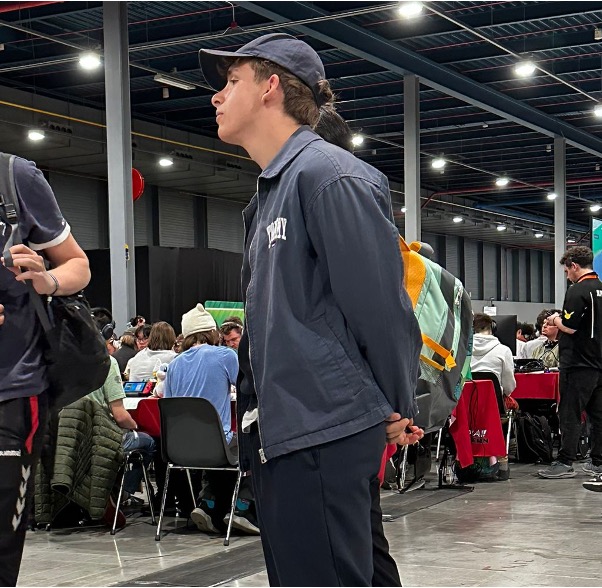
In this article we are going to discuss what competitive Pokémon is, as well as the basics of the game.
What is competitive Pokémon?
There are multiple ways of playing competitive Pokémon. The most common are:
- The Pokémon Trading Card Game (“Pokémon Cards”)
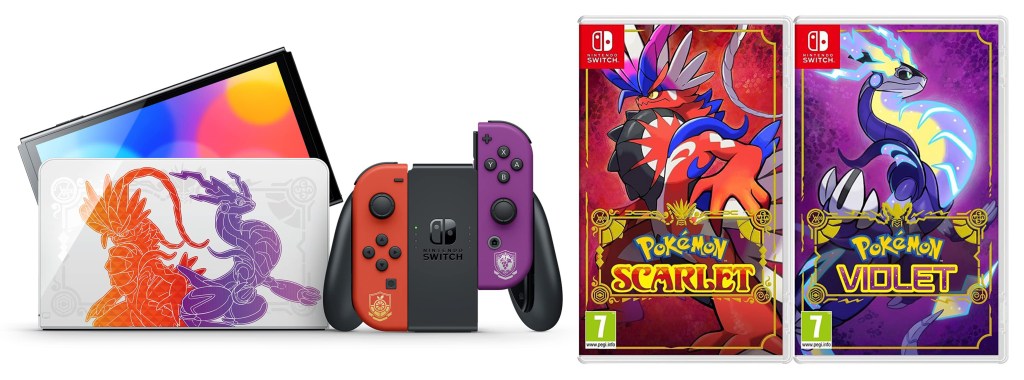
- The Pokémon Video Games (Currently Pokémon Scarlet & Violet on Nintendo Switch)
- Pokémon GO (On Mobile)
This article covers the Pokémon Video Game Championship, or VGC for short. Most players first came into contact with the Pokémon videogames as kids and fundamentally it is still the same game, just a newer version. Tournaments are always played on the newest Pokémon games, currently players use either the Pokémon Scarlet or Pokémon Violet game on Nintendo Switch.
What is Pokémon about?
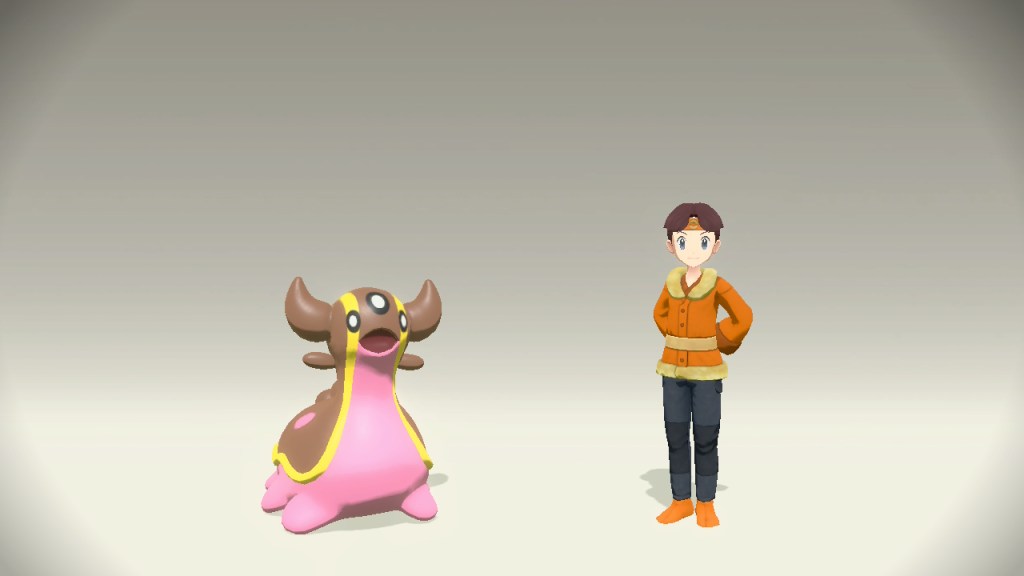
In the Pokémon videogames you get to play as a Pokémon trainer who explores the game’s world while befriending creatures called Pokémon, which is short for Pocket Monster. In total there are more than a thousand different Pokémon to discover. Together, you and your team of Pokémon train to become stronger and battle against other trainers and their teams, with the goal of becoming the very best.
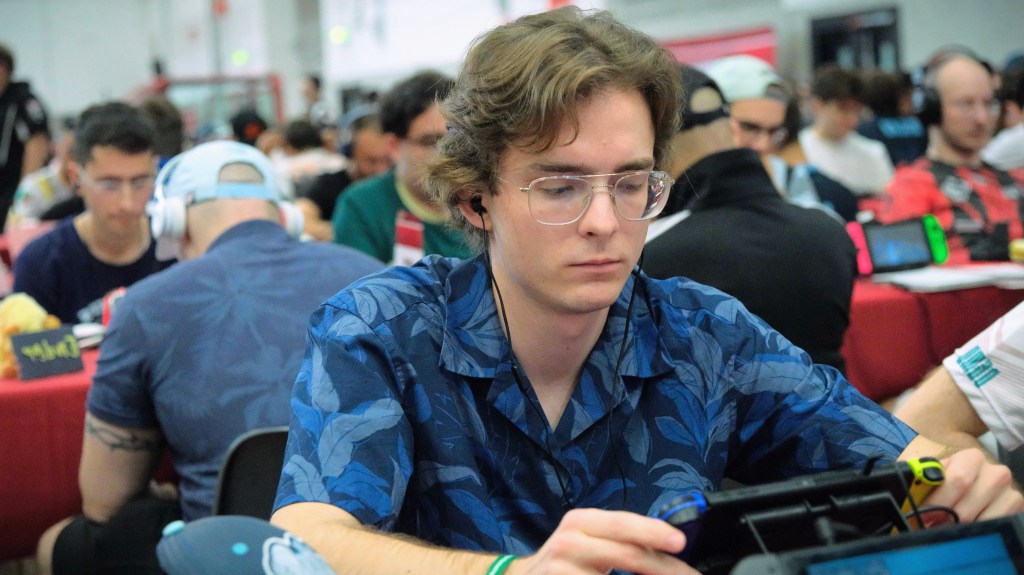
At in-person tournaments, trainers come together to test their skill and the strength of the Pokémon they have trained by playing their copy of the videogame. The goal of a battle is to knock out all your opponent’s Pokémon using your own, before they can do the same to you.
How does a battle work?
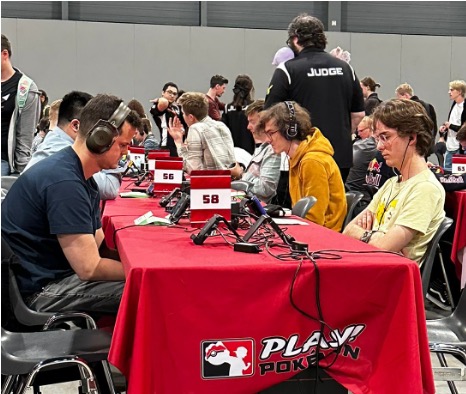
At in-person tournaments, two players are designated to play against each other by the tournament organizers. They sit down at a table opposite of each other, each with their Nintendo Switch system in front of them. They connect their consoles, start the battle, and wish each other “good luck and have fun”.
Team Preview
Before the battle can begin, players have to select what Pokémon they want to bring to the battle. This step is called “Team Preview”.

Each team consists of six different Pokémon, but only four of them can be brought to each battle. In team preview, you can see what Pokémon are on your opponent’s team. Depending on which you expect them to bring to the battle, you can adjust your own strategy by choosing which of your team members to leave behind. For example, if your opponent has multiple water-Pokémon on their team, you might choose to leave your own fire-Pokémon behind, since fire is weak to water. After both players have selected the four pieces they want to bring, the battle can begin.
Start of the Battle
At the start of a battle, each player sends out their first two Pokémon. In the Video Game Championship, each trainer usually has two Pokémon on the field at the same time. This is called a “Double Battle”. This means that during a battle there are a total of four Pokémon on the field, with a health bar visible for each Pokémon. Once a Pokémons health bar drops to zero, the Pokémon will be knocked out.
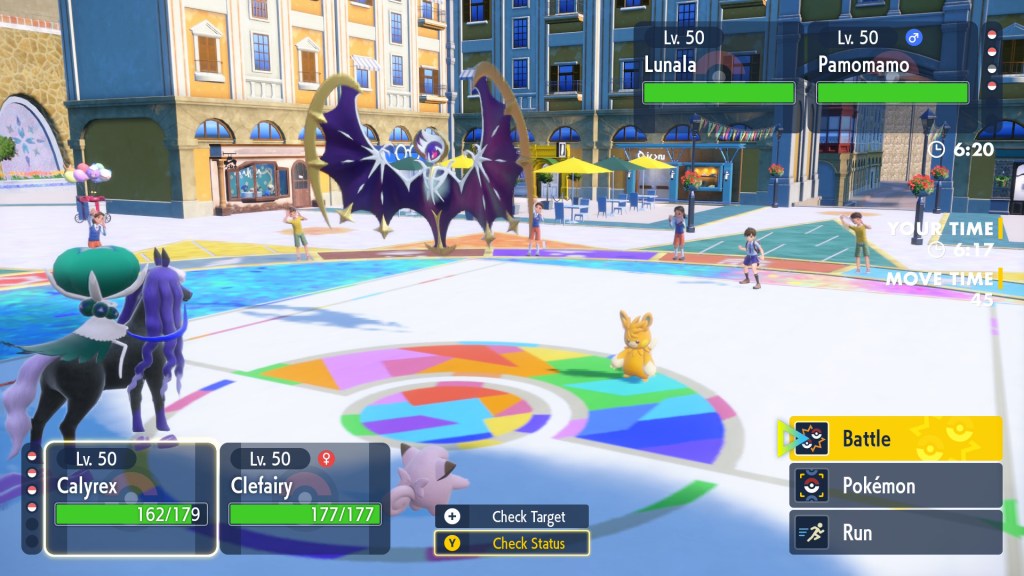
Pokémon battles are turn-based. This means, that both players select what they want their two Pokémon to do, and then the turn plays out. Since both players select their actions simultaneously, they have to consider what moves their opponent might make when choosing their own. Once both players have selected their inputs for each of their Pokémon, the turn will play out and neither player will be able to influence the outcome. When the turn is over, the players can select their inputs for the next turn.
A player has two different options for each Pokémon when selecting their actions before a turn:
- Battle: Choose a move, such as an attack, for your Pokémon to make
- Pokémon: Switch out the Pokémon on the field for a different one
Battle
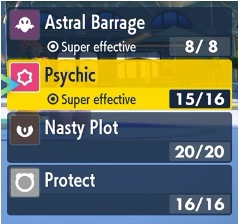
With this option, a trainer can select a move for their Pokémon to use. A Pokémon can learn up to four moves. Most moves will be used to deal damage to an opposing Pokémon, but there are also moves that can power up your own Pokémon for the next turn or shield your Pokémon from damage. These are called support moves.
Pokémon
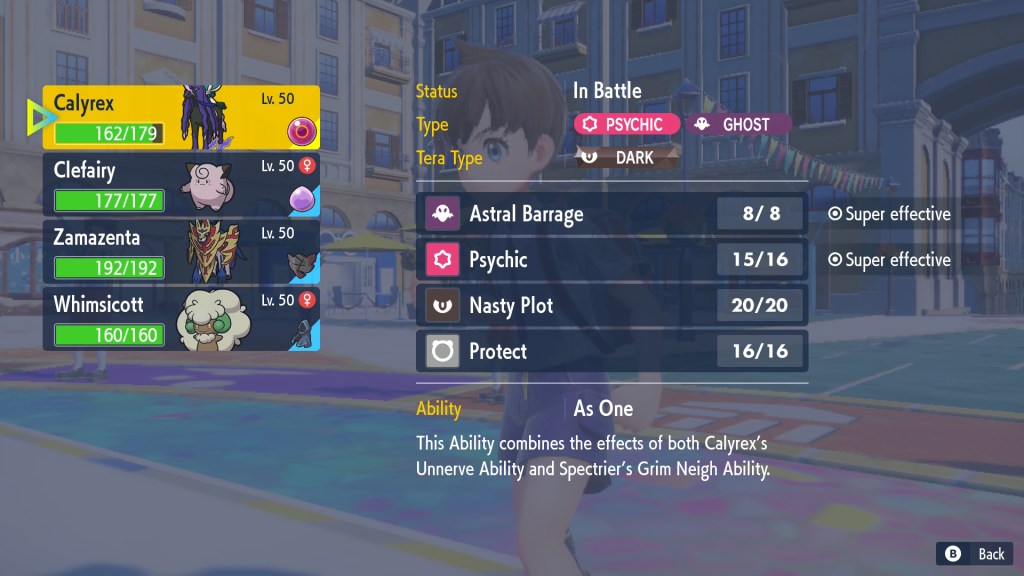
The Pokémon option lets you check the status of all the Pokémon you have brought to the battle. You can see their health bars, as well as the moves they can use. You can then select to switch the Pokémon on the field out for a different one.
During a Turn
Once a turn starts to play out, the actions that each Pokémon makes play out in order. Different types of actions happen in a certain order. Let’s take a look at the different actions in the order that they happen in:
Switching
If a player decided to switch out one of their Pokémon, it will happen at the very beginning of the turn. The Pokémon that switches into battle will not be able to attack in this turn. Even with this drawback, switching can still be a great option to protect the Pokémon previously in that position from damage, or to get into a better position for the next turn.
Protecting
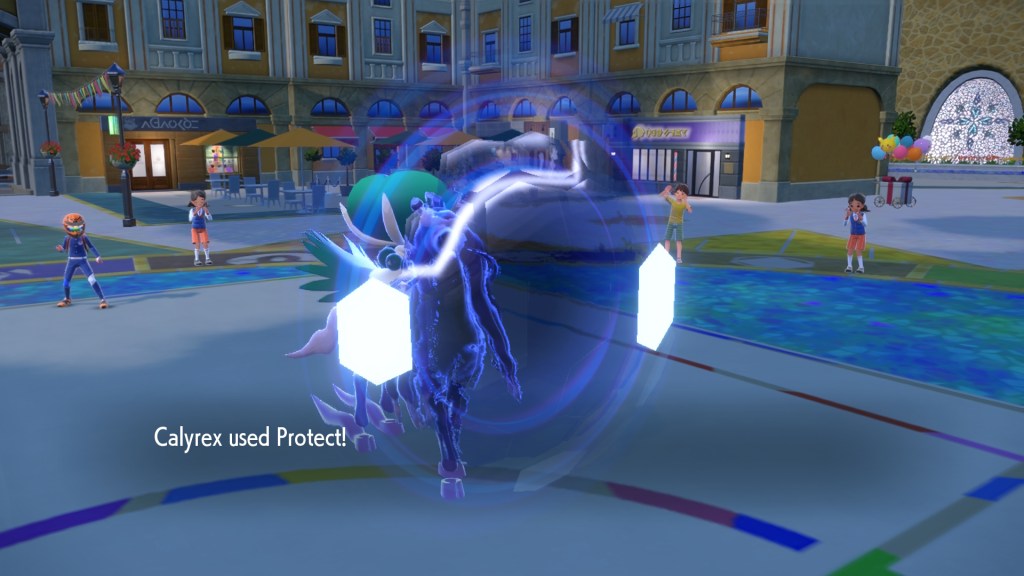
There are multiple moves that protect a Pokémon from the opponents moves for one turn, the most common being the move “Protect”. It shields the Pokémon using the move from any attack or status move the opponent might use on it.
Attacking
Attacks are used to damage opposing Pokémon with the goal of bringing their health bar down to zero. Different attacks will deal different amounts of damage based on multiple factors. Damage calculation is a very complex topic, so let’s just briefly look at two of the factors that influence how much damage is dealt:
Base Power
Each attack has a base power that decides how much damage it deals. Attacks with extraordinarily high base power will usually have some sort of drawback, such as low accuracy (meaning they can miss the opponents Pokémon), or dealing recoil damage to the Pokémon using the attack.
Type Effectiveness
As briefly hinted at in team preview, Pokémon and the moves that they can use have types. Each type is strong or weak against some other types and will deal more or less damage accordingly. For example, the damage a Pokémon using a fire-type attack deals against a water-type Pokémon will be reduced by half, because fire is not very effective against water. On the other hand, the same fire-type attack being used against a grass-type Pokémon will result in the damage being doubled, since fire is super effective against grass.
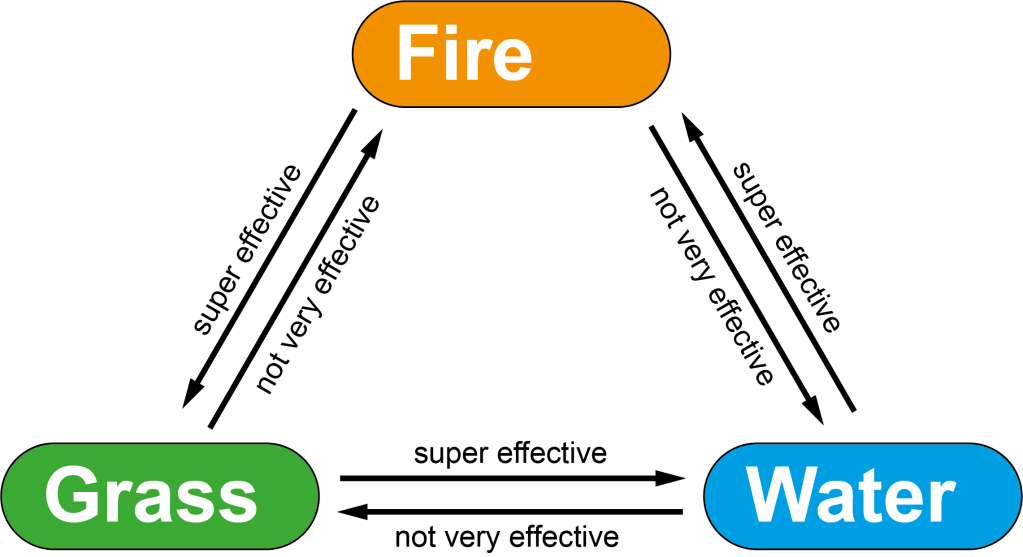
There are 18 Types in total, and which type results into what effectiveness of damage can be looked up in a “Type Chart”. However, it is not necessary to know the entire type chart as a viewer, since the game will display a message stating the effectiveness of the move.
Replacing defeated Pokémon
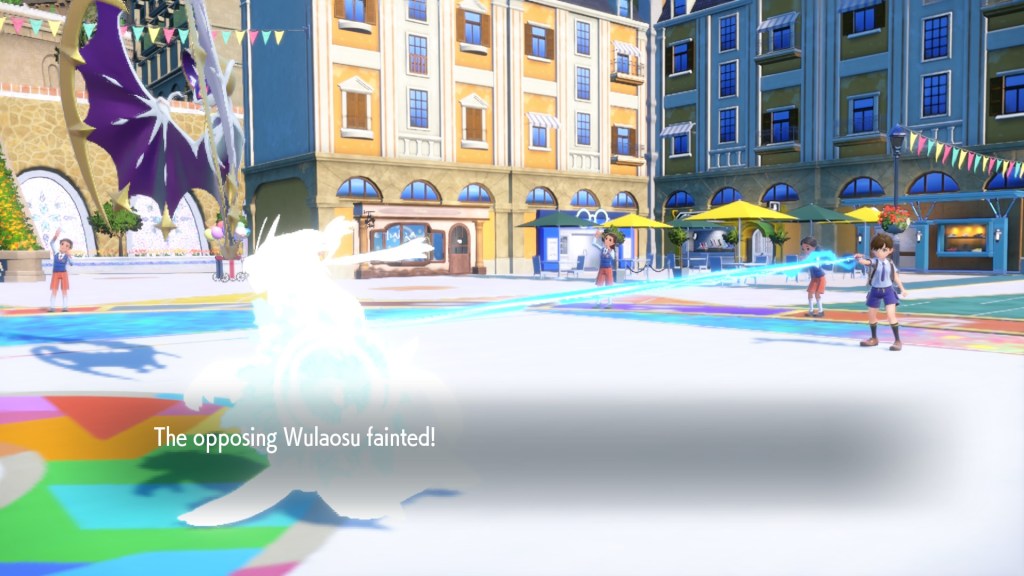
If a Pokémon is knocked out by an attack, players will get a chance to replace it with a different Pokémon at the end of the turn, provided they still have Pokémon left that are able to battle. Again, both players choose what Pokémon to bring into battle simultaneously, so that neither player can make their decision based on their opponent’s choice.
End of Battle
A battle ends when one player has no more Pokémon left that are able to battle, meaning that the health bars of all their Pokémon have dropped to zero.
I would like to thank you for taking the time to read this article. I know the person who sent it to you very much appreciates you taking an interest and trying to understand their hobby. Hopefully you will be able to follow along a little bit better the next time you watch them play. If you would like to watch a battle with an explanation for beginners, I can recommend the Battle Basics Series on The Official Pokémon YouTube channel, where Pokémon World Champion Wolfe Glick teaches inexperienced players how to battle.

 Alpensee eSports e.V.